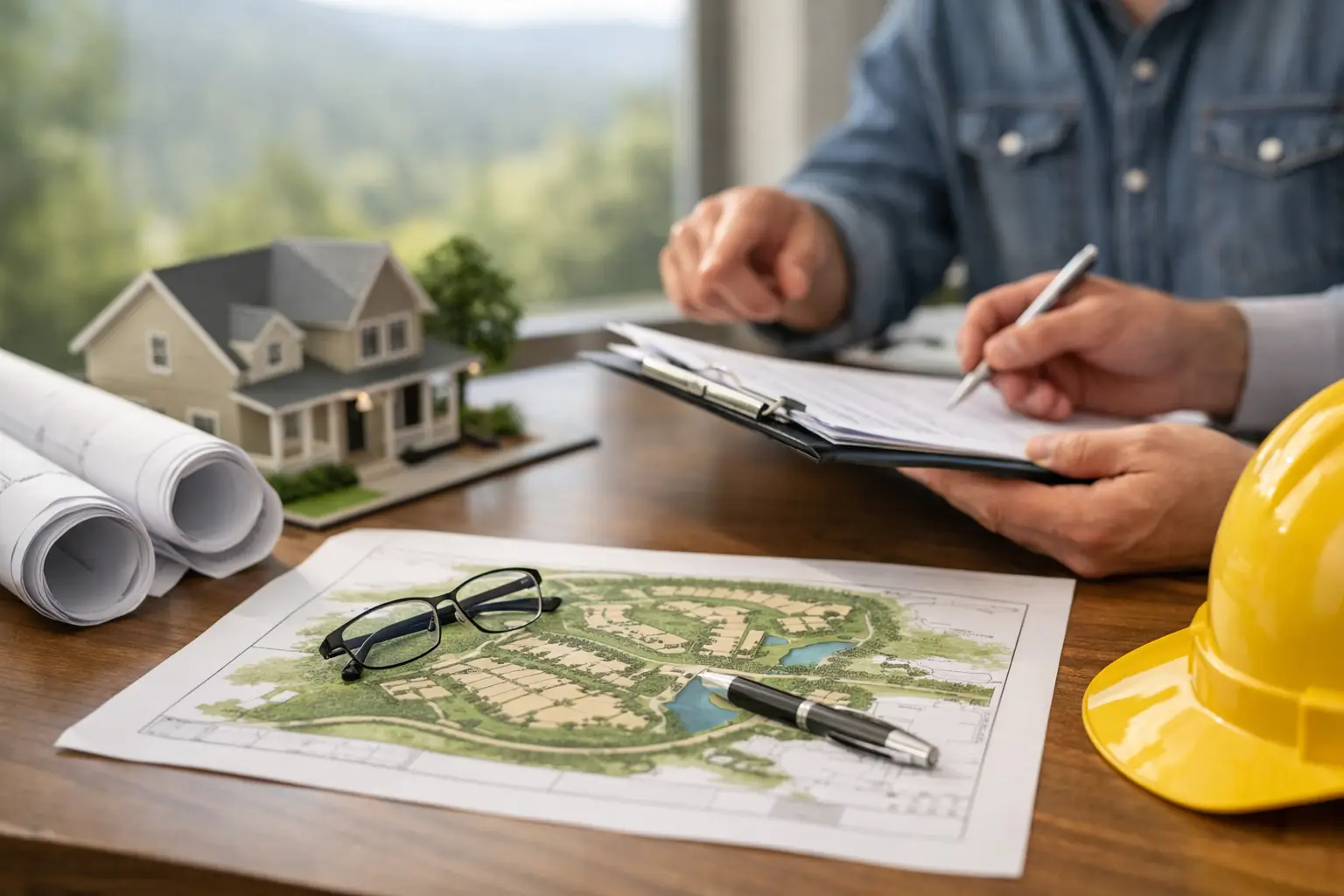
A permit delay usually does not start at the county counter. It starts much earlier – with incomplete plans, the wrong approval path, or assumptions about what Placer County will accept. That is why understanding the Placer County permit process matters before you invest heavily in drawings, engineering, or construction scheduling. For homeowners and contractors, the real goal is not just submitting plans. It is submitting the right package the first time.
If you are planning an ADU, garage conversion, addition, remodel, or new home, the process can feel inconsistent from the outside. One project moves quickly while another gets stuck in plan check for weeks. In most cases, the difference comes down to preparation, scope, and how well the plans match local requirements.
What the Placer County permit process is really checking
At a basic level, the county is reviewing whether your project is safe, code-compliant, and appropriate for the site. That sounds straightforward, but several layers are involved. Building review is only one piece. Depending on the property and the scope of work, your plans may also trigger zoning review, fire requirements, grading considerations, septic or environmental health review, and agency comments tied to access, utilities, or special site constraints.
This is where many applicants lose time. They assume a residential project is just a drafting exercise followed by a permit application. In reality, the county is comparing the proposed work against the property conditions, the building code, land use rules, and the completeness of the submittal package. If one part is missing or unclear, the whole review can slow down.
For example, an addition might seem simple until setbacks are tight. A garage conversion might look minor until egress, ceiling height, insulation, or parking issues appear. An ADU can be allowed by state law but still require a very specific plan set and supporting information to move through review without repeated corrections.
Where projects usually get delayed
The most common problem is incomplete documentation. A floor plan alone is rarely enough. The county typically expects a coordinated set of drawings and support documents that tell a complete story of the project. When the site plan, elevations, structural details, energy documents, and scope description do not line up, plan check comments are almost guaranteed.
Another frequent issue is starting with design assumptions instead of jurisdiction-specific research. California residential rules create a broad framework, but local interpretation still matters. The same project type can move differently depending on property zoning, wildfire considerations, utility setup, driveway conditions, or whether the home is on septic.
There is also a timing issue that catches people off guard. Owners often want to get pricing from contractors early, which makes sense. But if the plans are still too conceptual, the estimate, permit strategy, and actual code requirements may not match. That can create change orders later or force a redesign after submittal.
The Placer County permit process step by step
Most residential projects follow a recognizable path, even though details vary by scope.
1. Define the project clearly
Before drafting starts, the scope should be specific. Are you converting an existing garage into conditioned living space, adding a detached ADU, expanding a kitchen, or building a custom home? Each path brings different submittal needs. Vague scopes lead to vague plans, and vague plans lead to corrections.
This is also the stage to verify site realities. Property lines, easements, utility locations, driveway access, septic systems, slope, and fire-related requirements can all affect design decisions early.
2. Prepare permit-ready plans
This is where experience matters. Plans need to do more than look good on paper. They must communicate code compliance, construction intent, and site context in a way that reviewers can approve. A complete plan set usually includes architectural drawings and, where required, structural and energy documentation. Depending on the project, additional reports or calculations may also be needed.
The trade-off here is speed versus completeness. Rushing to submit often feels productive, but a fast incomplete submittal is usually slower than a well-prepared one.
3. Submit the application package
Once the plans and supporting documents are assembled, the application is submitted for review. The county will log the project, confirm what departments need to review it, and begin plan check. At this point, the project is in the system, but that does not mean approval is close. The quality of the initial package still drives what happens next.
4. Respond to plan check comments
Very few projects are approved with no comments at all. The key is whether those comments are manageable or whether they reveal deeper coordination problems. A clean correction cycle means the original plans were fundamentally solid. A messy correction cycle usually means the submittal had gaps from the beginning.
Responding well matters. Corrections should be answered directly, with updated sheets and a clear response to each item. If the revisions only partially address the reviewer concerns, another round follows.
5. Receive permit issuance and move into construction
After approvals are complete and any final requirements are satisfied, the permit can be issued. From there, the focus shifts to inspections and field compliance. Even at this stage, the approved plans remain important. If construction drifts away from the permitted design, delays can return during inspection.
Why ADUs and garage conversions need extra care
In Placer County, these are two of the most requested residential project types, and they are also two of the easiest to underestimate.
An ADU may have a favorable legal path, but favorable does not mean automatic. Site planning, utility questions, fire access, title-specific conditions, and code details still need to be resolved. Detached ADUs often involve more coordination than owners expect because they affect both the building and the site.
Garage conversions have a different challenge. People often assume they are simple because the structure already exists. But converting storage or parking space into habitable area changes the code expectations significantly. Ceiling heights, natural light, ventilation, energy compliance, insulation, foundation questions, and emergency egress all come into play. If the original garage was built decades ago, existing conditions can create extra work.
Homeowners versus contractors: same process, different pressure points
Homeowners usually struggle with unfamiliarity. They may not know what documents are required, what a reviewer is really asking for, or why a plan set that looks complete still gets rejected. Their biggest risk is spending money in the wrong order.
Contractors usually understand the build side but want fewer administrative delays. Their pressure point is coordination. They need plans that are detailed enough for permit review and useful in the field, without losing weeks to preventable back-and-forth.
That is why a practical permit strategy matters for both groups. The county process is not just paperwork. It directly affects scheduling, subcontractor availability, financing, and project cost.
How to make the Placer County permit process smoother
The best way to reduce delays is to treat planning as part of permitting, not a separate creative phase. That means confirming property constraints early, building the drawings around the real scope, and preparing a submittal package that answers reviewer questions before they are asked.
It also helps to be realistic about complexity. A bathroom remodel in an existing footprint is not the same as an addition. An attached JADU is not the same as a detached ADU. A custom home on a constrained lot is not the same as a flat suburban infill site. Residential projects may sound similar at a high level, but permit timelines depend on what the property and plans actually require.
Working with someone who understands both residential construction and plan review can make a measurable difference here. The value is not only in producing drawings. It is in catching avoidable problems before submittal and keeping correction responses organized when comments come back. That is where firms like JDFales Plans & Permits tend to save clients the most time.
What a strong submittal looks like
A strong package is consistent, readable, and specific. The site plan matches the floor plan. The elevations reflect the actual proposed work. Structural information supports the design. The scope description is clear. Energy documents align with the building envelope and mechanical choices. Nothing important is left for the reviewer to guess.
That level of clarity does not guarantee instant approval, because every project still depends on scope and site conditions. But it does improve the odds of a cleaner review cycle, and that is what most owners and contractors really need.
The permit process can feel slow when you are waiting on it, but the right perspective helps. Every hour spent clarifying the plans before submittal usually saves more time later. If you want your project to move, start by making it easy to approve.