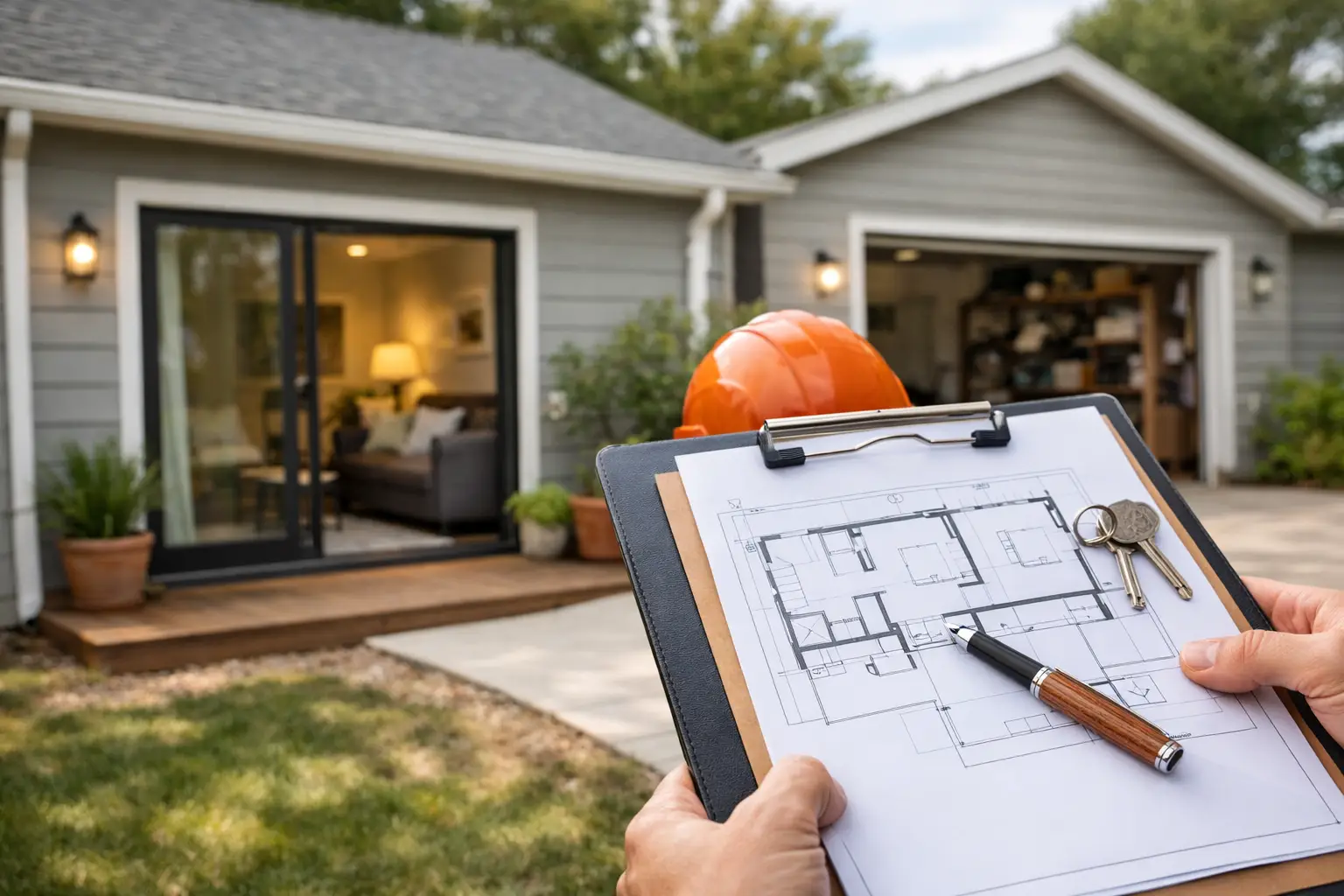
A lot of garage conversion problems start the same way: someone frames a wall, adds a bathroom, or installs a mini-split before checking with the city. By the time the question comes up – do garage conversions need permits – the project is already exposed to delays, corrections, or expensive rework.
In most cases, yes, a garage conversion does need permits. If you are turning a garage into habitable space such as a bedroom, office, rental unit, or family room, you are changing how that space is used under the building code. That usually triggers plan review, code compliance, and inspections. The exact permit path depends on your city or county, but the idea is the same: once a garage becomes living space, it has to meet standards that a storage or parking area did not.
That answer sounds simple, but the details matter. Some projects need only building permits. Others also require electrical, mechanical, plumbing, energy compliance, fire separation upgrades, or zoning review. In California, and especially in jurisdictions around the Sacramento region, permit requirements can be very specific about parking replacement, ceiling height, egress, insulation, and whether the conversion is part of a larger ADU project.
Why garage conversions usually require permits
A permitted garage was originally approved for a different purpose. It may have a sloped floor, limited insulation, exposed framing, lower ceiling heights, or openings and fire-rated assemblies that were acceptable for vehicle storage but not for living space. Once you convert it, the city is no longer looking at it as a garage. It becomes conditioned, occupied residential area, and that changes the code requirements.
This is where many homeowners get caught off guard. The work can look straightforward from a construction standpoint, but from a permit standpoint it often involves multiple disciplines at once. New walls can affect structural review. New outlets and lighting bring in electrical review. If you add a bathroom or kitchenette, plumbing and sewer capacity may come into play. Heating and cooling can trigger mechanical review and energy documentation.
That is why permit offices do not treat most garage conversions as a simple cosmetic remodel. They see a change of occupancy and a life-safety issue, not just a room makeover.
Do garage conversions need permits in every situation?
Not every garage project needs the same level of approval, but true conversions almost always need permits. The key question is whether you are creating habitable space.
If you are only replacing a garage door, repairing drywall, or doing like-for-like maintenance without changing the use of the space, permit requirements may be limited or, in some cases, not required at all. But once you enclose openings, insulate, install finished flooring over the slab, add HVAC, or represent the area as a bedroom, office, or rental space, you are generally in permit territory.
There are also gray areas. Some owners say they are creating a “bonus room” while avoiding any mention of sleeping, cooking, or rental use. Cities have heard that before. If the plans, layout, or installed features clearly support habitable use, reviewers will typically treat it as a conversion regardless of the label.
What the city will usually look for
When a garage conversion goes through plan review, the city is not just asking whether the room looks finished. It is checking whether the space can legally and safely function as living area.
One of the first items is ceiling height. Some garages were built with dimensions that do not cleanly meet current habitable space standards. Floor elevation is another common issue because garage slabs often slope toward the door. That slope can affect finished flooring, drainage, and accessibility.
Egress is also a major checkpoint. If the converted space will be used as a bedroom, emergency escape and rescue opening requirements may apply. Windows, door sizes, and bedroom layout all matter here.
Insulation and energy compliance are frequent correction items. A garage that was never built as conditioned space usually needs wall insulation, ceiling insulation, and updated windows or doors depending on the scope. Heating and cooling must also meet code, and portable heaters are not a substitute for approved permanent systems where required.
Then there is fire safety. If the garage conversion connects to the main house, or if part of the garage remains for parking, fire separation details can become very important. The same goes for smoke alarms, carbon monoxide alarms, and protected openings.
Zoning can matter just as much as the building code
Even if the construction itself can meet code, zoning rules may still affect whether the conversion is allowed. This is one of the biggest reasons homeowners should not assume that permits are just a formality.
Some jurisdictions care about replacement parking when a garage is removed from parking use. Others are more flexible, especially where state housing rules limit local restrictions. Lot coverage, setbacks, occupancy limits, and utility requirements can also affect the project. If the garage conversion is being turned into a separate dwelling unit or ADU, the review gets more involved because the project may need to meet additional standards for kitchens, bathrooms, independent access, and address assignment.
In California, these rules can vary significantly by jurisdiction. Two cities in the same region may handle a similar garage conversion differently. That is why early review of local requirements saves time. A project that looks buildable in the field can still stall at the counter if zoning or municipal amendments were missed.
The risk of converting without permits
Unpermitted garage conversions create more than paperwork problems. They can affect resale, appraisal, insurance, and future remodeling plans. Buyers and lenders often want to know whether the square footage was legally permitted. If it was not, the space may not count the way the owner expects.
Cities can also require after-the-fact permits, and those are rarely easier than doing it correctly from the start. In many cases, concealed work must be opened up so inspectors can verify framing, electrical, insulation, or plumbing. If the work does not meet code, corrections can be expensive.
There is also the practical side. A garage conversion that lacks proper insulation, ventilation, emergency egress, or moisture control may not perform well as living space even if it looks finished. Permits are not just about satisfying the city. They are part of making the room safe, durable, and legally usable.
What a permit-ready garage conversion process should look like
The smoothest projects usually begin with a feasibility check before any demolition starts. That means confirming how the city classifies the project, what drawings are needed, and whether there are obvious issues with the existing garage dimensions, structural layout, or proposed use.
From there, permit-ready plans should show more than a basic floor plan. Depending on the jurisdiction, the submittal may need architectural drawings, structural details, Title 24 energy documentation, and coordinated notes for electrical, mechanical, and plumbing scope. If the conversion includes an ADU or a bathroom addition, the documentation typically becomes more detailed.
This planning stage is where delays are either prevented or created. Incomplete plans often lead to plan-check corrections that could have been avoided with better coordination up front. Experienced permit guidance helps because the challenge is rarely just drafting the room. It is anticipating what the reviewer will ask before the comments arrive.
For homeowners and contractors who want fewer surprises, that is usually the value of working with a planning and permit consultant. A firm like JDFales Plans & Permits helps bridge the gap between the idea in your head, the realities of the existing structure, and the standards your local building department expects to see.
When homeowners assume they can skip permits
The most common misconception is that a permit is unnecessary because the garage already exists. But the city is not reviewing whether the walls are already standing. It is reviewing the new use, life-safety conditions, and code compliance of that use.
Another common assumption is that permits only matter if plumbing is added. Plumbing definitely increases complexity, but even a simple bedroom or office conversion can require permits because you are still creating habitable area. Likewise, hiring a contractor does not automatically mean the permit issue is handled. Someone should verify that plans, scope, and application strategy are aligned before work begins.
If you are asking whether your specific project needs permits, that usually means it is time to check before spending money on construction. A quick review early on is much cheaper than reworking finished walls later.
The best next step is not guessing. It is getting clear on what your city will require, what your garage can realistically support, and what needs to be shown on the plans so approval moves forward with fewer corrections. A garage conversion can add real usable value to a property, but only when the project is treated like legal living space from the start.