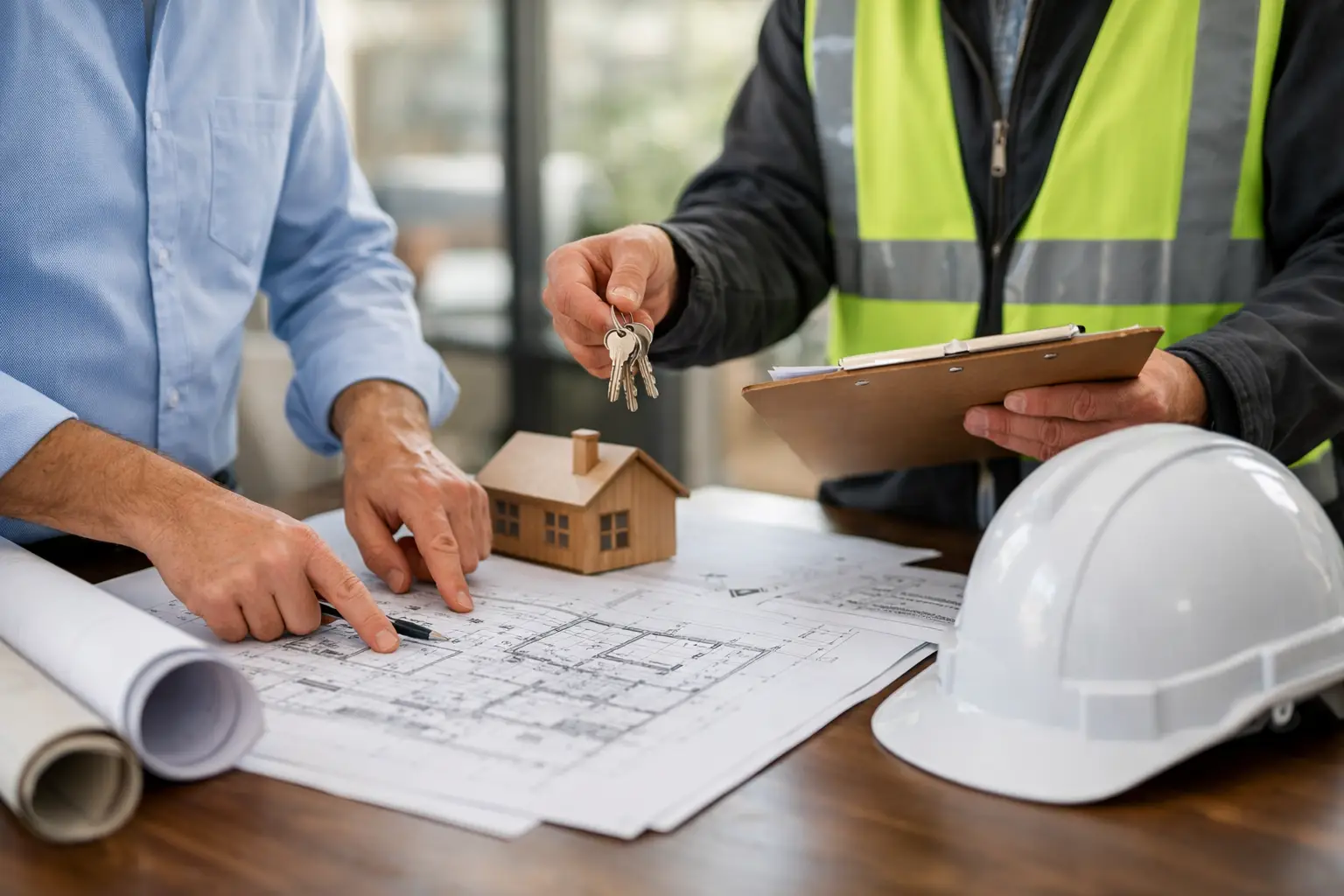
A clean floor plan can look impressive on paper and still fall apart at plan check. That is why asking, does your draftsman actually pull permits on a regular basis, is not a minor detail. It is one of the fastest ways to tell whether you are hiring someone who understands real-world approval requirements or someone who only knows how to draw.
For homeowners and contractors, that distinction matters early. A draftsman who works inside the permit process regularly usually draws with the building department in mind from day one. A draftsman who does not may give you plans that look complete but miss the details, notes, calculations, or jurisdiction-specific expectations that trigger corrections, delays, and added cost.
Why permit experience changes the quality of the plans
Residential drafting is not just about layout, dimensions, and appearance. Permit-ready plans need to communicate enough information for plan reviewers to confirm compliance with applicable codes, zoning rules, life safety requirements, and local amendments. That means the drawing set has to do more than show intent. It has to answer questions before they are asked.
A draftsman who regularly submits projects for approval tends to think differently while preparing the set. They know where reviewers usually focus. They know which missing notes will get flagged. They understand that what seems obvious in the field is not always obvious to a city or county reviewer reading plans at a desk.
This does not mean every permit office is identical. It depends on the jurisdiction, the scope of work, and whether the project is an addition, ADU, garage conversion, remodel, or custom home. Still, frequent permit exposure builds pattern recognition. That is often what separates a smoother review from a frustrating round of corrections.
Does your draftsman actually pull permits on a regular basis – and why should you care?
You should care because permit activity exposes weaknesses fast. If a draftsman submits often, they get repeated feedback from cities, counties, and plan reviewers. Over time, that feedback sharpens the work. Details improve. Notes get tighter. Coordination with structural engineering, energy documents, site information, and code requirements becomes more deliberate.
If they rarely deal with permits, there is a higher chance they are drafting in a vacuum. The plans may still be usable, but the odds of missing items increase. That can lead to preventable corrections, multiple resubmittals, and a slower start to construction.
For a homeowner, this often shows up as confusion. You thought you were paying for a complete set, then you learn the city needs additional sheets, code notes, title sheet information, or clarification on existing versus proposed conditions. For a contractor, it usually shows up as downtime. The schedule slips while everyone waits for revised plans and answers to comments that should have been anticipated earlier.
What regular permit work usually looks like
A draftsman with real permit experience does not just hand over drawings and disappear. They usually understand the sequence that follows. That includes preparing a submittal package, responding to plan check comments, coordinating revisions, and keeping the documents aligned with what the jurisdiction expects.
They also tend to ask better questions at the beginning. They may want to know the parcel constraints, occupancy use, utility conditions, fire sprinklers, setback concerns, or whether the project triggers energy, structural, or accessibility considerations. That can feel like a lot upfront, but it is often a sign of experience rather than overcomplication.
In California, this matters even more because local requirements can vary meaningfully from one jurisdiction to another. State code sets the baseline, but local interpretation and submittal preferences still shape what gets approved efficiently.
Signs your draftsman may not be permit-focused
Sometimes the warning signs are subtle. A low fee and a quick turnaround can sound attractive until you realize the service only covers basic drafting, not permit strategy. If the conversation stays focused on square footage and aesthetics but never gets into approval requirements, that is worth noticing.
Another red flag is vagueness around the submittal process. If you ask how they handle corrections and the answer is unclear, or if they say permitting is the owner’s problem after the plans are done, you may be dealing with someone who does not regularly support projects through approval.
That does not automatically mean they are unqualified. Some draftsmen are strong at conceptual design and less involved in permit administration. The problem is not the role itself. The problem is hiring the wrong role for a project that needs permit-ready execution.
Questions worth asking before you hire
A better hiring decision usually comes down to a few direct questions. Ask how often they prepare plans for permit submittal, not just drafting. Ask what kinds of residential projects they routinely get approved. Ask whether they help respond to plan check comments and how revisions are handled if the city requests changes.
You should also ask whether they understand your local jurisdiction or projects similar to yours. Someone who has worked on ADUs and garage conversions may be a strong fit for those project types but less prepared for a residential care facility or custom home. Permit experience is not one-size-fits-all.
The goal is not to interrogate the person. It is to confirm that their experience matches the demands of your project. The closer that match is, the fewer surprises you are likely to face.
Does your draftsman actually pull permits on a regular basis for your type of project?
That last part matters more than people think. A kitchen remodel, detached ADU, second-story addition, and change-of-use project can all sit under the broad category of residential work, but they do not move through review the same way. The required documents, consultants, and code triggers can be very different.
A draftsman who regularly gets additions approved may still need help if your project involves fire separation issues, utility coordination, or specialized occupancy requirements. On the other hand, someone experienced in garage conversions may already know the recurring concerns around ceiling heights, egress, insulation, and existing conditions documentation.
That is why broad claims like “we do residential drafting” are not enough by themselves. You want to know how close their day-to-day work is to what you are building.
The cost of getting this wrong
Most people do not notice permit inexperience until the project stalls. Then the costs start stacking up. You may pay for redrafting, added consultant coordination, or repeated resubmittals. Contractors may need to shift schedules. Material planning can get pushed back. If financing or tenant timing is involved, the delay can have a ripple effect.
There is also the stress factor. A homeowner already trying to manage selections, budgets, and family logistics should not also have to decode plan check comments that a permit-savvy drafting professional could have helped prevent or resolve.
Speed matters, but not the kind of speed that only applies to the first draft. What actually helps is a process that gets you to approval with fewer detours.
What a stronger permit partner brings to the table
A good permit-oriented drafting professional brings more than drawings. They bring judgment. They understand where details need to be explicit, when consultant coordination needs to happen early, and how to package plans so they are easier for reviewers to process.
They also tend to be more realistic. Instead of overpromising a fast permit with no caveats, they can explain where the likely issues are and what can be done upfront to reduce them. That kind of honesty is valuable because it helps owners and contractors plan intelligently.
This is where a service-led approach makes a difference. At JDFales Plans & Permits, the value is not just producing documents. It is helping clients move from concept to approval with clearer expectations and fewer preventable setbacks.
If you are comparing drafting help for an ADU, remodel, addition, or garage conversion, do not stop at price or turnaround time. Ask how closely that person works with the permit process, how often they respond to corrections, and whether they know what local reviewers usually expect.
The right answer will not always be the cheapest or the fastest on day one. It is usually the one that gives your project the best chance of getting through review without unnecessary friction. That is the kind of experience that protects your timeline before construction even begins.